

FreshBooks

NetSuite

QuickBooks

Sage

Wave

Xero
Virtual Bookkeeping CPA
Lucky for me. I provide virtual bookkeeping. Surprisingly, small business owners picture a sea of numbers when considering removte virutal bookkeeping. Significantly, Excel worksheets? Most importantly, bookkeeping is vital. Emphatically, it’s the careful practice of documenting every financial transaction. Most importantly, maintaining precise record-keeping, sets your business up for success. Lastly, an accurate picture of financial performance.
Five Signs it’s time to get help!
You’re strapped for time.
Missing Important Details?
Firstly, business owners struggle to accurately document and categorize every transaction. Consequently, small business miss out on crucial tax deductions. Secondly, its difficult to optimize cash flow. As a result, late fees or interest charges have become a common issue. Thirdly, a small business struggles to keep up with daily financial tasks. Lastly, it’s time for a better solution.
Explicitly, virtual bookkeeping ensures that nothing slips through the cracks, saving money and stress.
Books Outdated?
How current are your financial records? If you’re relying on outdated data, you don’t have an accurate picture of revenue. Additionally, accurate cash flow. As a result, you’re making decisions based on incomplete information. Undoubtedly, financial data needs to be tracked. Correspondingly, updated regularly.
Taxes Are a Nightmare.
Forthwith, tax season should be straightforward if your books are well-maintained throughout the year.
Profits Aren’t Growing.
What if the true problem is actually rooted in how finances are being managed? Unquestionably, virtual bookkeeping software brings clarity to finances.
Wow! David is an absolute master of numbers and helped me get my airbnb business started, quickbooks setup, and even advised me on every aspect of accounting and taxes for my new business. This is the first time i’ve worked with a CPA who I can actually call and get a quick answer from or categorize a charge as “ask my accountant” and he will categorize it properly. David has spent over 3 hours cumulatively on video calls with me to ensure I know how to properly run my new business and how to connect my bank accounts, run payroll, and properly book-keep. 10/10 recommend!!!
Fort Lauderdale FAQ for Bookkeeping Services
What is virtual bookkeeping?
Virtual bookkeeping is the process of managing your financial records remotely. Instead of meeting in person, you share your documents securely online, allowing a bookkeeper to update your records from anywhere. This makes bookkeeping more flexible and accessible, especially for busy business owners.
How secure is virtual bookkeeping?
Virtual bookkeeping is very secure when done correctly. We use encryption, secure servers, and reliable cloud platforms to keep your information safe. Additionally, only authorized personnel can access your sensitive data. You can trust that your privacy is a top priority.
How can virtual bookkeeping save me time?
Virtual bookkeeping saves you time by allowing you to focus on running your business instead of managing day-to-day financial tasks. You won’t need to spend hours manually entering data or reconciling accounts. With professional virtual bookkeeping services, everything gets managed efficiently.
What software do you use for virtual bookkeeping?
We use QuickBooks Enterprise, Desktop and upon request QuickBooks online, which is popular for its efficiency and accuracy. It’s easy for clients to access and allows for real-time collaboration, meaning you always stay informed about your financial situation. Lastly, we offer virtual private server which is secure. It prevents hacking through the use of cloud strike.
Will I lose control of my financial records if I hire a virtual bookkeeper?
No, you will still have complete control over your financial records. A virtual bookkeeper keeps your books organized and up-to-date, while you maintain access to all your data at any time. It’s a partnership that gives you clarity without added stress.
What industries benefit from virtual bookkeeping?
Many industries benefit from virtual bookkeeping, including real estate, retail, and consulting. Any business that wants to reduce overhead while maintaining well-organized finances can gain from virtual bookkeeping. It suits startups, small businesses, and even established firms looking for cost-effective solutions.
Can I switch to virtual bookkeeping from my current system?
Yes, switching to virtual bookkeeping is simple. We will help you migrate your current data to our secure online platform. Our process is designed to minimize disruptions, ensuring a smooth transition with no loss of important financial information.
How often do you provide financial reports?
I provide financial reports on a schedule that suits your business needs. This could be monthly, quarterly, or at other regular intervals, depending on your preferences. These reports help you understand your financial health, enabling you to make informed business decisions.
What makes your virtual bookkeeping services different?
My virtual bookkeeping services stand out because of our personalized approach. With MBA, CPA, and CFE qualifications, we offer experience, accuracy, and customized support for each client. I understand your business needs and are always available to answer questions.
Why choose virtual bookkeeping?
Virtual bookkeeping offers flexibility, cost savings, and convenience. You can access your financial data from anywhere, reduce office expenses, and have professional bookkeeping without the need for in-house staff. It’s an efficient solution that adapts to your business needs, helping you stay focused on growth.
Is outsourced virtual bookkeeping the answer?
Have profits decreased and your instinct is to work harder? Are you pushing for more sales? However, the true problem isn’t about putting in more effort. Accordingly, financial management!
Virtual Bookkeeping CPA
Lucky for me. I provide virtual bookkeeping. Surprisingly, small business owners picture a sea of numbers when considering bookkeeping software. Significantly, Excel worksheets? Most importantly, bookkeeping is vital. Emphatically, it’s the careful practice of documenting every financial transaction. Most importantly, maintaining precise record-keeping, sets your business up for success. Lastly, an accurate picture of financial performance.
Five Signs it’s time to get help!
You’re strapped for time.
Missing Important Details?
Firstly, business owners struggle to accurately document and categorize every transaction. Consequently, small business miss out on crucial tax deductions. Secondly, its difficult to optimize cash flow. As a result, late fees or interest charges have become a common issue. Thirdly, a small business struggles to keep up with daily financial tasks. Lastly, it’s time for a better solution.
Explicitly, virtual bookkeeping ensures that nothing slips through the cracks, saving money and stress.
Books Outdated?
How current are your financial records? If you’re relying on outdated data, you don’t have an accurate picture of revenue. Additionally, accurate cash flow. As a result, you’re making decisions based on incomplete information. Undoubtedly, financial data needs to be tracked. Correspondingly, updated regularly.
Taxes Are a Nightmare.
Forthwith, tax season should be straightforward if your books are well-maintained throughout the year.
Profits Aren’t Growing.
What if the true problem is actually rooted in how finances are being managed? Unquestionably, virtual bookkeeping software brings clarity to finances.
- Setting Up Virtual Bookkeeping
- Power of Virtual Bookkeeping
- Essential Skill
- What is Virtual Bookkeeping?
- Affordable Bookkeeping
- How to do small business bookkeeping
Subsequently, bookkeeping software and online accounting programs can transform your business. Put simply, choose the right virtual bookkeeper. A good virtual small business bookkeeping CPA
Online accounting programs have revolutionized how businesses manage their finances. Subsequently, gone are the days of cumbersome spreadsheets and manual entry systems. Therefore, with a few clicks, you can track expenses, generate invoices, reconcile bank statements, and even forecast your cash flow. Most importantly, these programs offer real-time insights, enabling you to make informed decisions that drive your business forward.
Why You Should Transition to Online Accounting:
- Accessibility is the key. Thus. allows you to manage your finances from anywhere. Accordingly, in the office, at home, or on the go.
- Efficiency: Surely, automate repetitive tasks, saving you time and reducing the risk of errors.
- Collaboration: In similar fashion, share your financial data with your accountant or team members seamlessly.
- Security: Surely, benefit from advanced security features that protect your sensitive financial information.
Undeniably, these programs are user-friendly. However, it’s vital to set up bookkeeping software correctly. Therefore, here are the key areas to focus on:
1. Understanding Basic Accounting Principles
Thus, it’s crucial to have a solid grasp of fundamental accounting principles. Therefore, familiarity with concepts like debits and credits, income statements, balance sheets, and cash flow. Thereupon, this foundational knowledge will help you navigate virtual bookkeeping. Furthermore, understand the financial reports it generates.
Key Actions:
- Firstly, take an introductory course on accounting.
- Secondly, review common financial statements and what they represent.
- Lastly, practice reading and interpreting financial data.
2. Setting Up Your Chart of Accounts
Undoubtedly, the Chart of Accounts is the backbone of your accounting system. Thus, it organizes your financial transactions into categories like assets, liabilities, income, and expenses. Therefore, setting this up correctly from the start will ensure accurate financial reporting and simplify tax preparation.
Key Actions:
- Identify the key categories relevant to your business.
- Customize your Chart of Accounts to reflect your specific needs.
- Regularly review and update your Chart of Accounts as your business evolves.
3. Mastering Invoicing and Expense Tracking
Emphatically, invoicing and expense tracking are core functions of any business. Thereafter, online accounting programs make it easy to create professional invoices, track payments, and monitor expenses. Most importantly, to utilize the features effectively.
Key Actions:
- Learn how to customize invoice templates to match your brand.
- Set up recurring invoices for regular clients.
- Track expenses in real-time and categorize them for accurate reporting.
4. Reconciling Accounts and Managing Cash Flow
Straighaway, account reconciliation is the process of comparing your financial records with your bank statements to ensure everything matches. Furthermore, this step is crucial for identifying discrepancies, preventing fraud, and maintaining financial accuracy. As a result, cash flow management. Most importantly, for maintaining solvency.
Key Actions:
- Reconcile your accounts regularly, ideally monthly.
- Use cash flow reports to predict future financial needs.
- To enhance cash flow, you can implement strategies like offering discounts for early payments.
5. Leveraging Financial Reporting
One of the most powerful features of online accounting programs is their ability to generate detailed financial reports. These reports provide insights into your business’s financial health and help you make informed decisions.
Actions:
- Key financial reports
- Use these reports to identify trends and areas for improvement.
- Share reports with stakeholders to keep everyone informed and aligned.
6. Integrating with Other Business Tools
Online accounting programs integrate with other business tools. Essentially, CRM systems, e-commerce platforms, and payroll services. Therefore, understanding how to connect these tools can streamline your operations. Thereby, providing a more comprehensive view of your business.
Key Actions:
- Identify the tools you currently use that can be integrated with your accounting software.
- Set up integrations to automate data transfer and reduce manual entry.
- Monitor the integrations to ensure they are working correctly and providing value.
Virtual bookkeeping is the practice of managing a business’s financial records remotely.
Notably, through cloud-based accounting software. Additionally, a virtual bookkeeper, performs all bookkeeping tasks online. As a result, flexibility.
Key aspects of virtual bookkeeping include:
- Remote Access: Virtual bookkeepers work from any location, using online tools. Chiefly using bookkeeping software such as QuickBooks Online, Xero, or FreshBooks. Concurrently, to manage financial records, track expenses, and generate reports.
- Cloud-Based Software: Consequently, all financial data is stored securely in the cloud.
- Cost-Effective: A virtual bookkeeper is more affordable. Conversely to paying full time salary and benefits. Obviously, physical office space is less.
- Efficiency: Virtual bookkeeping automates tasks, such as invoicing, expense tracking, and bank reconciliations. Thereby saving time and reducing the risk of errors.
- Scalability: Eventually, virtual bookkeeping can easily scale with a business as it grows. Thereby offering more or less support as needed.
- Security: Reputable virtual bookkeepers use secure systems to protect sensitive financial data. As a result, ensure that the information is safe from unauthorized access.
Comparatively, virtual bookkeeping software improves small business operation. As a consequence, flexibility. Most importantly, those seeking reliable financial management. As stated above, minimizes the physical office.
Virutal Bookkeeping CPA
Most importantly, using tools, accounting analsysis and common sense a virtual CPA is more affordable when it comes to bookkeeping
- Financial Management
- Virtual Bookkeeping for Startups
- Monthly Bookkeeping Services
- Bookkeeping for Freelancers
- Bookkeeping for Entrepreneurs
- Business Accounting Solutions
- QuickBooks Bookkeeping
- Payroll services
- After the fact
- Virtual payroll
Accordingly, many accounting software solutions can automate tasks such as transaction categorization.
Set Up Your Accounting Software
Basically, entering your business details, linking your bank accounts, and granting your accountant access to the software to ensure accuracy and make necessary adjustments. Additionally, review and organize your chart of accounts so that it aligns with your business needs.
Manage Transactions
Nevertheless, daily bookkeeping includes managing transactions by importing, categorizing, reconciling, and ensuring they’re recorded. Generally, according to your accounting method.
Handle Accounts Receivable and Payable
Managing accounts receivable ensures timely payment for goods and services rendered. Likewise, this process involves sending invoices and tracking due dates., Additionally, using software features like automated payment reminders.
Conversely, managing accounts payable ensures that your bills are paid on time to avoid late fees and maintain a strong business reputation. Hencefore, unpaid expenses are recorded as accounts payable.
Set Up Payroll
Payroll management varies depending on whether you use integrated accounting software or separate payroll software. Likewise,setup depends on the number of employees and any additional benefits offered.
Manage Financial Statements and Documents
Emphatically, Small business bookkeeping involves meticulous record-keeping. In other words, this means accurately recording transactions and storing bills, invoices, and receipts. Therefore, accounting or bookkeeping software simplifies the storage and retrieval of these documents. Therefore is essential in the event of an accounting discrepancy or audit.

Budgeting and Forecasting with Virtual Bookkeeping Services FAQ
What is the importance of budgeting and forecasting for my business?
Budgeting and forecasting provide a clear roadmap for your business finances. They help predict income, manage expenses, and guide decisions that align with your goals. By staying proactive, you can make adjustments in real-time and avoid potential cash flow issues.
How often should I update my budget and forecasts?
Updating your budget and forecasts quarterly or bi-annually is recommended. However, businesses with frequent changes may benefit from monthly updates. We customize our approach based on your needs, ensuring your finances stay aligned with market trends and goals.
What’s the difference between budgeting and forecasting?
Budgeting outlines a financial plan for expected income and expenses over a set period, often a year. Forecasting, on the other hand, predicts future performance based on current data. Therefore, my remote bookkeeping services help you create both, provides clarity for decision-making.
How do I start with budgeting and forecasting for my business?
To begin, gather your current financial data and set clear business goals. Our team helps you analyze past trends, set realistic targets, and create a budget and forecast that reflect your business’s potential.
Can you help me adjust my budget if my goals change?
Yes, I offer flexible support for adjusting your budget and forecasts as your business evolves. Whether you’re scaling up or facing new challenges, my remote bookkeeping services help you adapt your financial plans accordingly.
Will budgeting and forecasting improve my profitability?
Effective budgeting and forecasting give you control over expenses, making it easier to focus on revenue-generating activities. With accurate projections, you can make informed decisions that enhance profitability and support growth.
Do budgeting and forecasting work for seasonal businesses?
Absolutely. Seasonal businesses especially benefit from budgeting and forecasting to manage off-peak periods and prepare for high-demand seasons. I create tailored forecasts that align with your specific business cycle.
How do I track my actual performance against my budget?
Regular reviews allow you to compare actual performance against your budget. My remote bookkeeping services include tracking tools and reports that highlight variances, so you can adjust as needed and stay on course.
Can budgeting and forecasting help with cash flow management?
Yes, effective budgeting and forecasting are essential for managing cash flow. By projecting income and expenses, you gain insights into when funds will be available and when you might need to adjust spending. Therefore, this helps prevent cash shortages and ensures smoother operations.
Virtual Bookkeeping test drive
Try it out! Log into Intuit’s QuickBooks Online Test Drive to see how QBO can simplify your business finances.
Financial Reporting and Insights
- Comprehensive Reports: Most importantly, profit and loss statements, balance sheets, and cash flow statements. As a result, insights into your business performance.
- Budgeting Tools: Consequently, set up budgets for each property. Secondly, compare actual performance against budgeted amounts to monitor profitability. Additionally, identify areas for improvement.
- Dashboard Overview: Unquestionably, the QBO dashboard provides an at-a-glance view of your financial health. Primarily, key metrics.
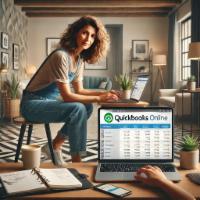
Transform Your Accounting for $350 a year or $30 a month!
Managing your business should be seamless !
That’s why I’m excited to introduce our CPA QuickBooks Online assisted ledger service. Now available for only $350 a year or $30 a month.
Here’s what you’ll get!
- Consultation with a Professional CPA: Work one-on-one with an expert certified QuickBooks CPA to ensure your accounting is optimized for your unique needs.
- Customized Chart of Accounts: Tailored to fit your short-term rental business, making tracking your income and expenses a breeze.
- Free Quick Books Desktop Conversion:
- Keep all your historical data, For a nominal fee I’ll export/Import from your old books and records to your new QBO ledger.
-

Located in the Galleria Mall, Fort Lauderdale
Schedule a time to visit usConvenient Location

David Weinstein MBA CPA CFE
Contact Us
For inquiries or requests which require a more personal response, I will make every attempt to respond.