
Unlocking Tax Efficiency
Is it as good as it sounds?

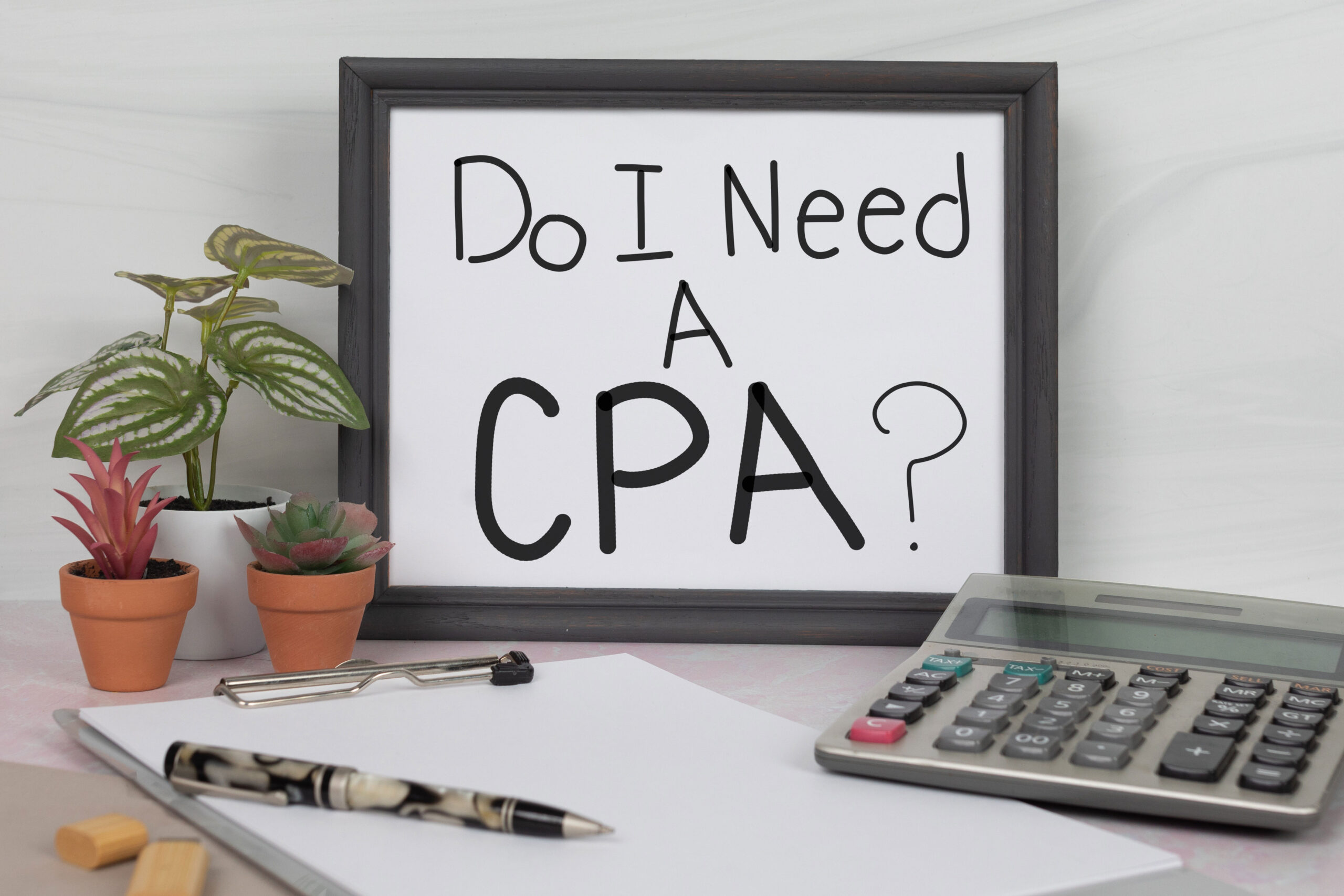

Doth protest too much about documenting 100 hours and/or 500 hours!
They are second home owners who fabricate daily logs to get deductions available to legitimate short term rental hosts.
Documenting Material Participation
To qualify for the tax benefits associated with short-term rentals, hosts must demonstrate material participation. This can be done by meeting one of the following standards:
- 100-Hour Standard: Participate in the activity for more than 100 hours during the tax year and ensure that no one else participates more than you.
- 500-Hour Standard: Participate in the activity for more than 500 hours during the tax year.
However, simply logging hours without proper documentation is meaningless. Primarily the IRS wants books and records! Without books and records, the IRS may require detailed records, such as appointment books, calendars, or narrative summaries, to substantiate your participation Without these records, your claim of material participation may not hold up under scrutiny.
What is the short term rental loophole?
The term “short-term rental tax loophole” often refers to the tax advantages available to property owners who list their properties for brief periods. However, it’s important to clarify that these benefits are not loopholes but legitimate applications of tax law. The IRS recognizes short-term rentals as a trade or business under specific conditions, allowing property owners to deduct related expenses and potentially reduce their taxable income. To qualify, owners must actively participate in the hospitality business. Additionally, meet certain criteria regarding the duration of rentals and services provided.
Does personal and business use matter?
Some short-term rental investors are drawn to aggressive tax strategies, seeing them as a kind of “hack” to maximize deductions and keep more income in their pocket. Such as the the short-term rental loophole.They approach tax season with a “hold my beer” attitude, convinced they’ve found the ultimate way to play the system. Many believe that keeping a daily log of rental activities will suffice to meet IRS requirements, thinking they can bypass the hassle of full-fledged bookkeeping.
Aggressive tax preparers often fuel this mindset, marketing their services with a “keep more of your money for yourself” approach. These preparers know that tax time brings financial anxiety, and they prey on people’s natural desire to pay less to the IRS. By offering clients a fast track to what feels like major tax savings, they lead investors to cut corners. However, skipping essential documentation like comprehensive books can set up these investors for problems down the line, especially if the IRS decides to scrutinize their claims.
In the short term, these aggressive tactics might seem to reduce the tax burden. But without solid records and the right tax strategy, these so-called “hacks” can backfire, resulting in penalties and audits that cost far more than the potential savings.
The 14 day rule! Often Misunderstood.
Starting a short-term rental business has great potential for income, but hosts should be mindful of IRS regulations to avoid losing key tax benefits. One common pitfall for short-term rental hosts is misunderstanding how many days a property must be rented out to qualify as a “business activity” rather than just a personal-use property. If this line is blurred, the IRS may limit allowable deductions, reducing tax benefits and impacting the bottom line.
Why This is Problematic
Under IRS Section 280A, properties that are used as a residence (in personal use for more than 14 days or 10% of the total rental days) may not qualify as business activities. This means hosts can deduct expenses only up to the rental income amount, making any additional expenses non-deductible. When this happens, the opportunity to deduct losses and other costs vanishes, turning the rental into a minor tax advantage rather than a profitable business venture.
What is Section 280A?
Section 280A of the IRS code restricts deductions for expenses if a property is considered a personal residence. To determine this, the IRS looks at how often you, the owner, stay at the property. The general rule is straightforward: if you use the property for more than 14 days or 10% of the rental days in a year, whichever is greater, the property is treated as a personal-use property. In other words, any expenses beyond your rental income can’t be deducted.
Example
Let’s say you rent out your beach property for 200 days out of the year but use it personally for 30 days. Since your personal use exceeds both the 14-day threshold and the 10% rental-use threshold (10% of 200 is 20 days), the IRS would treat the property as a personal-use property. This means you can only deduct up to the income generated, and any further expenses are not deductible.
A Clear Solution
If your goal is to treat the rental as a business activity and take full advantage of the deductions available, you must either limit personal use to fewer than 14 days or to under 10% of rental days. By doing so, you signal to the IRS that the property is primarily used as a business, qualifying for full business deductions.
Key Takeaways
In short, to optimize your short-term rental’s profitability, treat it as a business by managing your personal use. This strategy will not only help maximize tax deductions but also improve your rental’s overall financial return.
Best practices to prove the deduction.
The misuse of this tax strategy by some hosts can have broader implications. Increased IRS scrutiny may lead to more frequent audits of short-term rental activities. Thus, affecting even those who comply with tax laws. Legitimate hosts could find themselves subjected to unnecessary examinations, diverting time and resources from their business operations.
Best Practices for Compliance
To avoid these pitfalls, hosts should:
- Maintain Detailed Records: Keep thorough documentation of all guest stays, expenses, and services provided.
- Understand IRS Criteria: Familiarize themselves with IRS guidelines to ensure proper classification of rental activities.
Why is Understanding Section 280A is vital!
It requires taxpayers to allocate expenses between personal and business use if the property is used for both. This means that if you use your rental property for personal purposes, you must accurately track and report the number of days it is used for personal versus rental purposes. This is true for short term rentals as well.
While the short-term rental loophole offers significant tax benefits, it comes with the responsibility of maintaining accurate books and records. Ignoring IRC 280A can lead to serious tax consequences, including disallowed deductions and penalties. By keeping detailed records and properly allocating expenses, you can enjoy the benefits of the loophole while staying compliant with tax laws.
What is IRC Section 280A?
How does IRC Section 280A affect short-term rental hosts?
IRC Section 280A is a tax code provision that governs the allocation of expenses between personal and business use of a property. For short-term rental hosts, it determines how they can deduct expenses related to their rental activities.
What are the implications of not following IRC Section 280A?
Failure to comply with IRC Section 280A can lead to disallowed deductions, increased tax liabilities, and potential penalties. It is crucial for hosts to accurately allocate expenses to avoid these issues.
Can I deduct all my rental expenses under IRC Section 280A?
No, you can only deduct expenses that are directly related to the rental use of your property. Personal use expenses must be separated and cannot be deducted.
How do I determine the business use percentage of my property?
The business use percentage is calculated by dividing the number of days the property is rented by the total number of days it is used. This percentage helps allocate expenses between personal and rental use.
What records should I keep to comply with IRC Section 280A?
Maintain detailed records of rental income, expenses, and the number of days the property is used for both personal and rental purposes. This documentation is essential for accurate tax reporting.
Are there any exceptions to IRC Section 280A?
Yes, there are exceptions, such as the ’14-day rule,’ which allows you to rent your property for up to 14 days per year tax-free, provided you use it personally for more than 14 days.
How can a CPA help with IRC Section 280A compliance?
A CPA can provide guidance on proper expense allocation, ensure compliance with tax regulations, and help maximize your allowable deductions, reducing your overall tax burden.
What is the short-term rental loophole?
The short-term rental loophole allows rental income to be treated as non-passive, enabling hosts to offset rental losses against other active income, provided they meet specific criteria.
How does the short-term rental loophole benefit hosts?
By treating rental income as non-passive, hosts can potentially reduce their taxable income by offsetting rental losses against other active income, leading to significant tax savings.
Step 1: Separate Personal and Business Expenses
Begin by clearly distinguishing between personal and rental-related expenses. This will simplify the allocation process and ensure compliance with tax regulations.
Step 2: Maintain Detailed Records
Keep comprehensive records of all rental transactions, including income, expenses, and usage days. Accurate documentation is crucial for tax reporting and audits.
Step 3: Calculate Business Use Percentage
Determine the percentage of time your property is used for rental purposes. This calculation is essential for allocating expenses appropriately between personal and business use.
Step 4: Consult with a CPA
Engage a CPA to review your records and provide expert advice on tax compliance. Lucky for me I’m a CPA and knowledgeable about section 280A.
THE SIMPLE ANSWER IS

Wow! David is an absolute master of numbers and helped me get my airbnb business started, quickbooks setup, and even advised me on every aspect of accounting and taxes for my new business. This is the first time i’ve worked with a CPA who I can actually call and get a quick answer from or categorize a charge as “ask my accountant” and he will categorize it properly. David has spent over 3 hours cumulatively on video calls with me to ensure I know how to properly run my new business and how to connect my bank accounts, run payroll, and properly book-keep. 10/10 recommend!!!


Transform Your Accounting for $350 a year or $30 a month!
Unquestionably, managing your business should be seamless !
That’s why I’m excited to introduce our CPA QuickBooks Online assisted ledger service. Now available for only $350 a year or $30 a month.
Here’s what you’ll get!
- Consultation with a Professional CPA: Henceforth, work one-on-one with an expert certified QuickBooks CPA. Thus, ensure your accounting is optimized. As a result, save money.
- Customized Chart of Accounts: Tailored to fit your short-term rental business, making tracking your income and expenses a breeze.
- Free Quick Books Desktop Conversion:
- Keep all your historical data. For a nominal fee I’ll export/Import from your old books and records to your new QBO ledger.
-

Located in the Galleria Mall, Fort Lauderdale
Schedule a time to visit us / Go to your Office.Convenient Location

David Weinstein MBA CPA CFE
Contact Us
For inquiries or requests which require a more personal response, I will make every attempt to respond.