Unlock Smart Tax Strategies with AI
Tax Planning Using AI
Discover how AI tools like ChatGPT can transform your tax planning process, offering precision, efficiency, and strategic insights for optimal financial outcomes.
The Role of AI in Modern Tax Planning
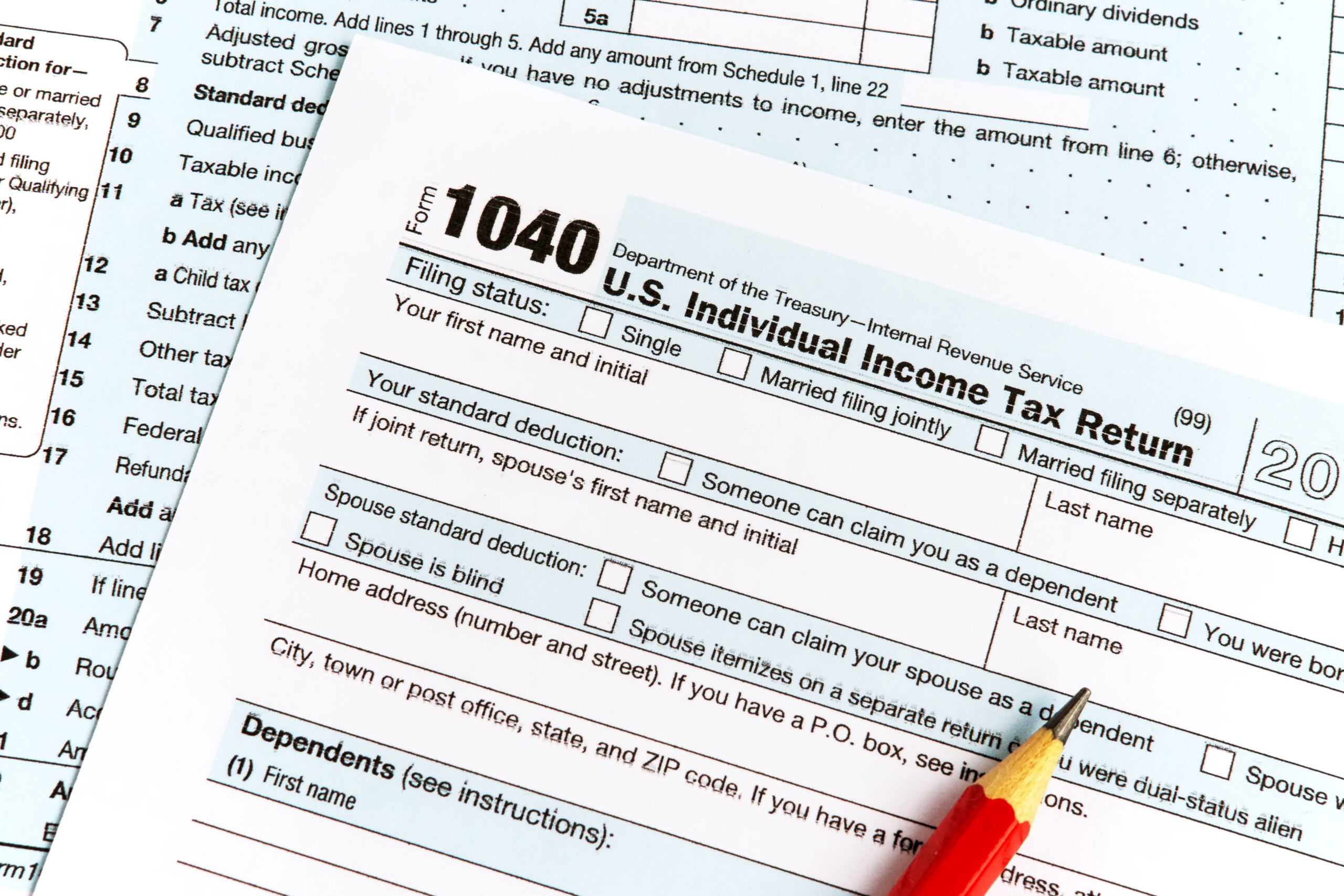
Artificial intelligence is changing how we work, learn — and now, how we plan for taxes.
For years, tax planning meant sorting through forms, trying to understand complicated tax rules, and waiting until tax season to see what your bill would be. Today, AI tools like ChatGPT can analyze patterns, explain rules in plain English, compare scenarios, and even help you uncover opportunities you may have missed.
AI doesn’t replace a CPA — but when used correctly, it becomes a powerful assistant that helps you stay proactive, organized, and more confident with your tax strategy.
Why AI is Essential in Tax Planning

AI tools can:
✔️ spot patterns in your income, deductions, and credits
✔️ compare “what if” planning scenarios
✔️ summarize complicated IRS explanations in seconds
✔️ help organize supporting documents
✔️ draft questions you should ask your CPA
Most taxpayers only think about taxes when they file.
AI allows you to think about taxes all year long, so there are fewer surprises — and more opportunities to save.
Common Questions About AI in Tax Planning
Protect privacy
Before uploading:
✔️ Remove SSNs (XXX-XX-1234 is fine)
✔️ Remove bank routing numbers
✔️ Remove addresses if possible
✔️ Remove signatures
If not feasible, at least ask ChatGPT to ignore personal identifiers once uploaded.
Example:
“Please ignore and do not display any SSNs, addresses, or account numbers in your responses.”
Upload the 1040 PDF
In the chat window:
Subscription needed!
➤ Click Upload file
➤ Select the PDF return
➤ Then type a prompt like:
“This is a taxpayer’s 1040 with associated schedules. Please summarize key information and identify any areas that may warrant tax-planning review.”
Explore how AI tools can transform your tax planning process with these frequently asked questions.
How can AI improve my tax planning efficiency?
AI can streamline your tax planning by automating data analysis, identifying potential deductions, and offering strategic insights tailored to your financial situation.
Is AI reliable for understanding complex tax laws?
Yes, AI systems are designed to process vast amounts of tax data and provide interpretations based on current laws, ensuring you stay compliant and informed.
Can AI help me with tax compliance?
Absolutely. AI can assist in maintaining compliance by monitoring changes in tax regulations and suggesting necessary adjustments to your tax strategy.
What are the privacy concerns when using AI for taxes?
While AI tools are secure, it’s crucial to protect your personal data by using encrypted platforms and consulting with a tax professional for sensitive matters.
Great Prompts to use
- Summarize my last tax return in simple language. What were my major deductions, income sources, and credits?
- Identify areas in last year’s return where I might have missed deductions or credits.
- List questions I should discuss with my CPA based on this return.
- Explain how changes in tax law might affect me this year.
What If Scenarios
- What happens if I convert $XX,XXX to a Roth IRA this year?
- Should I accelerate income or defer it?
- What happens if I itemize compared to taking the standard deduction?
- How would renting a property short-term impact my taxes versus long-term
Major Tax Law Updates to Know
1. SALT Deduction Limitation: Now Up to $40,000
The deduction for State and Local Taxes (SALT) — such as property taxes and state income taxes — is now capped at $40,000.
Who this affects most:
-
homeowners
-
taxpayers in high-tax states
-
higher-income earners who used to itemize easily
AI can help evaluate:
“Based on my property taxes and state tax paid, how close am I to the $40,000 SALT cap?”
“Does itemizing still make sense for me compared to the standard deduction?”
It can also explain timing strategies — for example, whether it helps to bunch deductible expenses into one year.
2. Increased Standard Deduction
The standard deduction has increased again, which means fewer taxpayers will itemize.
AI can compare:
“Run a comparison: standard deduction vs itemized deduction using my numbers.”
For many, simplifying the return while still reducing taxes is a major win.
3. Child Tax Credit: Now $2,200
Families with qualifying children may receive up to $2,200 per child.
AI can clarify:
“Do I qualify for the Child Tax Credit, and how does it phase out at my income?”
It can also explain eligibility rules such as residency, support tests, and age requirements.
4. New Deduction for Taxpayers Age 65+
A new additional deduction of:
-
$6,000 for taxpayers age 65+, or
-
$12,000 if both spouses are 65+
This applies whether you itemize or take the standard deduction.
Ask AI:
“Explain how the age-65 deduction works and whether I qualify.”
“Show a comparison of my return with and without the age-65 deduction.”
Retirement-age taxpayers should absolutely pay attention to this.
5. Deduction for Qualified Overtime Pay (Up to $12,500)
Workers with overtime pay that qualifies under the Fair Labor Standards Act (FLSA) may deduct up to $12,500.
AI can help clarify:
“Does my overtime qualify under FLSA, and how do I know?”
“Estimate my deduction if I earned $18,000 in overtime this year.”
This is especially valuable for workers in:
-
healthcare
-
manufacturing
-
logistics
-
hospitality
-
law enforcement
6. Deduction for Interest on New U.S.-Assembled Vehicles
You may deduct up to $10,000 of interest paid on a loan for a new personal-use vehicle purchased after December 31, 2024 — only if the final assembly occurred in the U.S.
Income limitations apply:
-
phases out above $100,000 MAGI (single)
-
phases out above $200,000 MAGI (married filing jointly)
AI can help evaluate:
“Does my car qualify for the interest deduction based on assembly location?”
“How much of my auto loan interest is deductible based on my MAGI?”
This is one of those deductions many taxpayers may miss if they don’t actively plan.

How to Ask AI Smarter Questions About Taxes
AI is only as good as the quality of the prompts you give it.
Here are examples:
- Explain these numbers back to me like I’m not a tax expert.
- List three tax strategies someone in my situation should consider this year.
- Highlight risks or audit concerns based on this situation.
- Draft questions I should ask my CPA about this scenario.”
Think of AI as your translator and brainstorm partner — while your CPA remains your strategist and final reviewer.
Step 1
Preparing for Tax Season with AI
Before the tax season begins, gather your previous year’s tax return and upload it to an AI tool like ChatGPT. Ask the AI to summarize key outcomes and identify any missed opportunities. This will provide a baseline for your current tax planning.
Step 2
Strategizing During Tax Season
During the planning phase, use AI to explore various tax scenarios. Ask questions about deferring income, maximizing credits, and other strategies tailored to your financial situation. This will help you make informed decisions and optimize your tax liabilities.
Step 3
Post-Planning Organization
After finalizing your tax plan, utilize AI to draft a comprehensive tax checklist. This checklist will help you organize records and ensure that all necessary documents are in place for filing. AI can also assist in setting reminders for important tax deadlines.
Step 4
Review and Adjust
Once your tax plan is in place, periodically review it with the help of AI. Ask for updates on tax law changes and adjust your strategy as needed. This ongoing review process ensures that your tax plan remains effective and compliant.
Ready for Personalized Tax Guidance?
Have questions about your tax strategy or need tailored advice? Reach out to us today! Our experts are here to provide personalized consultations to help you navigate the complexities of tax planning with confidence. Don’t miss the opportunity to optimize your tax outcomes.

Located in the Galleria Mall, Fort Lauderdale
Schedule a time to visit us / Go to your Office.Convenient Location

David Weinstein MBA CPA CFE
Contact Us
For inquiries or requests that require a more personal response, I will make every attempt to respond within 48 hours.