

Tax Efficient Mutual Funds
Tax-efficient mutual funds are designed to minimize the tax liabilities for their investorsMunicipal Bonds and Tax-Efficient Mutual Funds are two investment vehicles that can help minimize income taxes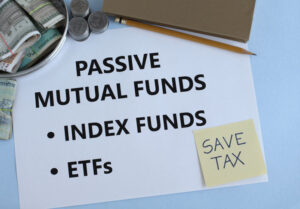
Municipal bonds
Often referred to as “munis,” are debt securities issued by state and local governments to finance public projects like schools, highways, and infrastructure.

Tax-efficient mutual funds are designed to minimize the tax liabilities for their investors
- Low Turnover: These funds typically have a low turnover rate, meaning they don’t frequently buy and sell securities. This reduces the realization of capital gains, thereby minimizing capital gains distributions to investors, which are taxable events.
- Strategic Gains and Losses: Tax-efficient funds often employ strategies like tax loss harvesting (selling securities at a loss to offset any capital gains) to minimize taxable distributions.
- Municipal Bond Funds: Some tax-efficient funds invest in municipal bonds, thus inheriting the tax-exempt status of the interest from these bonds.
- Focus on Qualified Dividends: These funds may also focus on investments that pay qualified dividends, which are taxed at a lower rate than ordinary income or non-qualified dividends.
- Avoiding Short-Term Capital Gains: These funds aim to avoid securities that would generate short-term capital gains, which are taxed at a higher rate compared to long-term capital gains.
The key tax advantage of municipal bonds
- Tax-Exempt Interest: The interest income earned from most municipal bonds is exempt from federal income taxes. This makes them particularly attractive to investors in higher tax brackets. For example, if a high-income taxpayer receives 3% interest from a municipal bond, this income is more valuable on an after-tax basis than a higher interest rate from a taxable bond, depending on their tax bracket.
- State and Local Tax Exemptions: If you live in the state where the municipal bond is issued, the interest income may also be exempt from state and local taxes. This can provide an additional tax benefit, especially in states with high income tax rates.
- Alternative Minimum Tax (AMT) Considerations: Some municipal bonds are also exempt from the Alternative Minimum Tax (AMT), which can be a significant advantage for certain taxpayers.

Overall Benefits
-
Higher After-Tax Returns: The primary benefit of these investment vehicles is higher after-tax returns. The tax savings can make a significant difference in the net return, especially for investors in higher tax brackets.
-
Diversification and Risk Management: In addition to tax benefits, these investments can provide diversification and risk management in a well-rounded investment portfolio.
-
Suitability for Taxable Accounts: They are particularly suitable for taxable investment accounts (as opposed to tax-deferred accounts like IRAs, where the tax advantages are not as impactful).
Municipal bonds and tax-efficient mutual funds can play a significant role in reducing tax liabilities for investors, especially those in higher tax brackets or with large taxable investment accounts.
-
Investment Goals and Risk Tolerance: Investors should consider their overall investment goals, risk tolerance, and time horizon when investing in these vehicles.
-
Yield Comparisons: For municipal bonds, investors should compare the tax-equivalent yield to taxable bonds to determine if they are a good investment, considering their tax bracket.
-
Expert Advice: As with any investment decision, it’s advisable to consult with a financial advisor or tax professional to understand how these investments fit into your overall financial plan and tax situation.
Get a 2nd opinion
Get Airbnb tax advice. Nobody has a monopoly on all the information. Certainly, not the Internal Revenue Code.
Most importantly, there are both pitfalls as well as opportunities.
Minimize income taxes

Contact Us
For inquiries or requests which require a more personal response, I will make every attempt to respond.